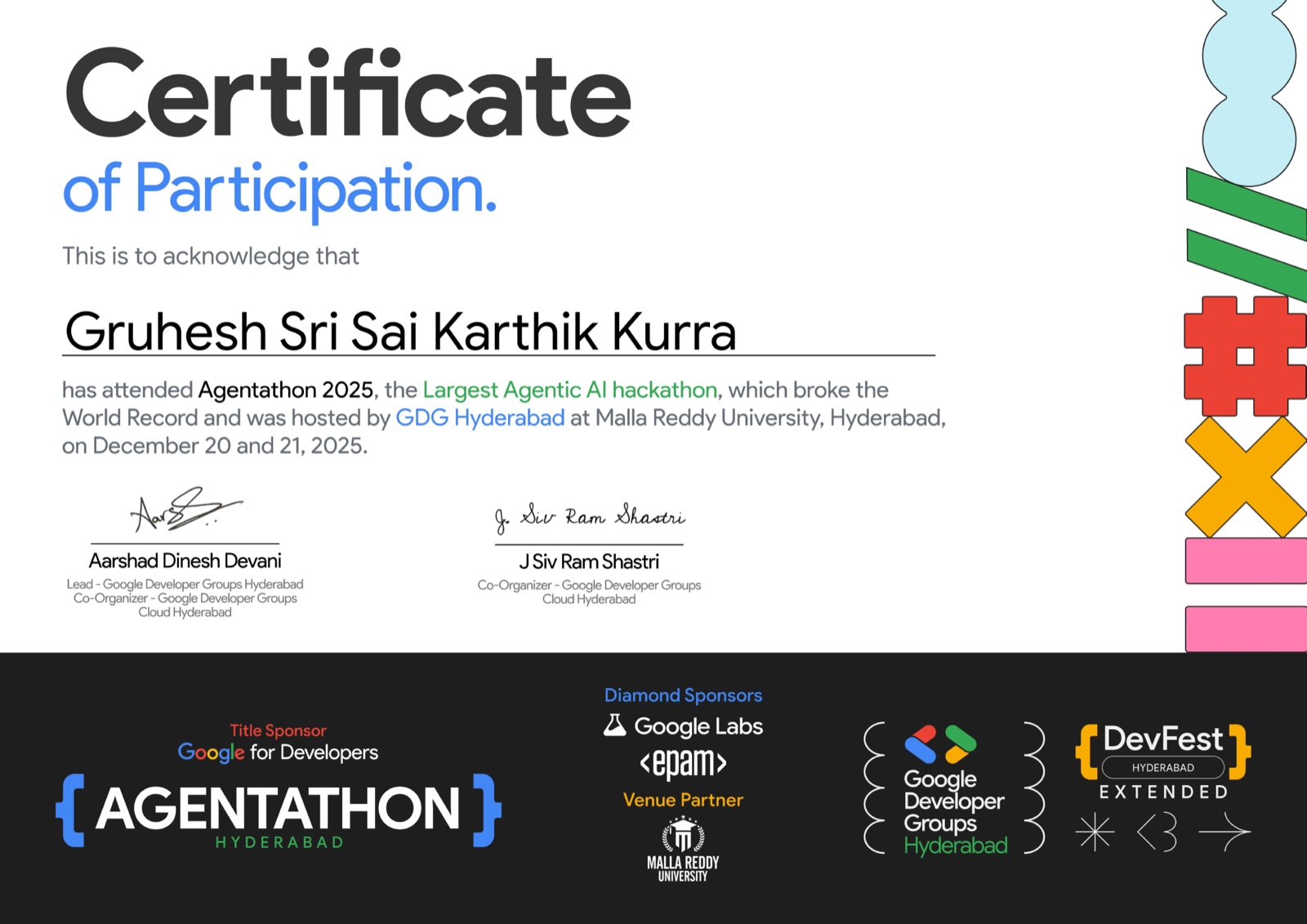
Gruhesh Sri Sai Karthik Kurra

Gruhesh Sri Sai Karthik Kurra

MSc Computing (AI & Machine Learning) · Imperial College London

I am an MSc student in Computing (Artificial Intelligence and Machine Learning) at Imperial College London. My research is on large language models and natural language processing: how models represent words and meaning, how one prompt can produce several genuinely different answers, and how to make models smaller without losing quality.

Before Imperial I studied Computer Science and Engineering at KL University (CGPA 9.72/10), worked as a research intern at IIIT Hyderabad on layout-preserving document translation, and built integration software for enterprise clients at InfoAjax.

News

  • Tested a redesigned Prism Tuning in pre-registered GPU experiments; no significant gain, with a diagnosis.
  • Version 2 of BIE is on Zenodo, with a new storage format and a full measured evaluation.
  • Started the MSc in Computing (AI and Machine Learning) at Imperial College London.
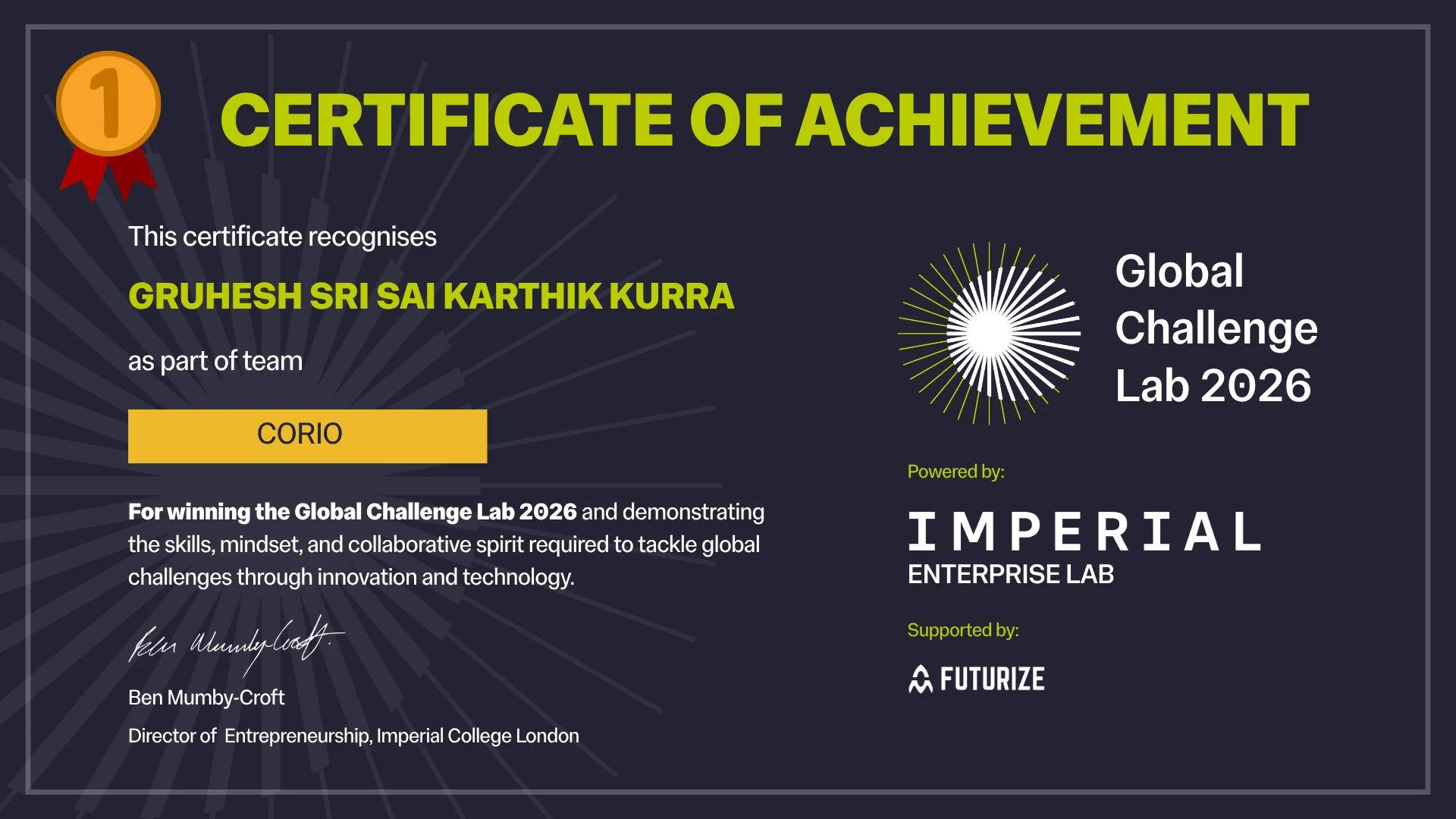
  • My team won first place at Imperial’s Global Challenge Lab, a 14-day sprint with over 1,000 students; I led the AI work on OrbitOps, a reliability layer for satellite onboard AI.
  • Two papers, Dual-Stream and Prism Tuning, accepted at IEEE NEPCON 2026.
  • MANCE published at IEEE ICCCMLA 2025 (IEEE Xplore).

Publications

Google Scholar ↗

Conference papers

Morphology-Aware Nested Character Embeddings for Word Representation

Gruhesh Sri Sai Karthik Kurra, Chandanasree Moparthi, Prathipati Manish Chowdary, Pavan Kumar Pagadala

IEEE ICCCMLA 2025 · Published in IEEE Xplore

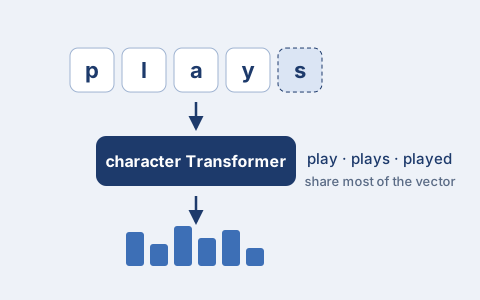
Every word is built from its characters by a character-level Transformer, so related forms share most of their computation and unseen words still get a vector. In a seeded re-implementation it beats word embeddings by 14.9 F1 on German NER (63.0 vs 48.2) and matches them on English topic classification.
Dual-Stream Artifact Detection with Iterative Evidence Refinement for Frame-Level Deepfake Recognition

Gruhesh Sri Sai Karthik Kurra, Pavan Kumar Pagadala, Malathy Batumalay, Veda Boddapati

IEEE NEPCON 2026 · Accepted, presentation December 2026

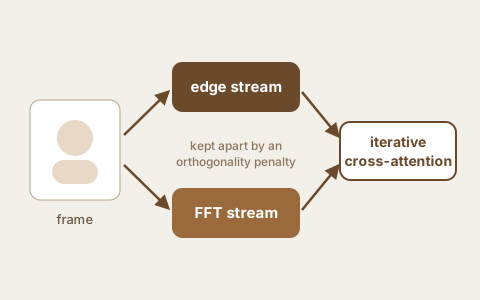
A ViT-Small detector with an edge stream for blending boundaries and a frequency stream for generator fingerprints, fused by iterative cross-attention. After an audit found that most WildDeepfake test frames came from training videos, it reports 96.3% AUC on a video-disjoint test subset (87.1% on Celeb-DF).

Prism Tuning: Repulsion-Trained Seed Embeddings in a Frozen Transformer for Non-Redundant Generation

Gruhesh Sri Sai Karthik Kurra, Pavan Kumar Pagadala, Malathy Batumalay, Sushma Reddy Koduru

IEEE NEPCON 2026 · Accepted, presentation December 2026

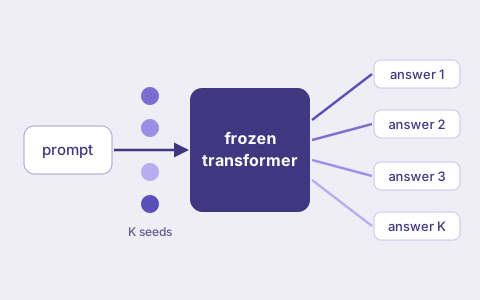
Only K seed vectors are trained, added to the input embeddings of a frozen transformer and pushed apart by a repulsion loss, so one prompt yields K different answers in a single batched pass with no filtering. The paper gives the method and formulation. Follow-up (Oct 2026): a redesigned version, tested in pre-registered GPU experiments on Qwen2.5, did not significantly beat tuned min-p sampling; the main suspected cause is the training data.

Preprints

BIE: Bit-Index Encoding of Sparse Neural Network Weights

Gruhesh Sri Sai Karthik Kurra

Zenodo preprint · Version 2, October 2026

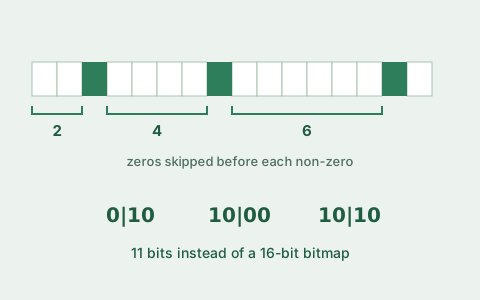
A storage format for pruned weights: the gaps between non-zeros are Golomb–Rice coded, close to their entropy limit, and values are 8-bit codes stored as bitplanes. At 95% sparsity it is 44.5× smaller than float32 at 0.6% error, against 25.7× for CSR with the same values.

Experience

  1. Oct – Nov 2025

    AI Integration Engineer

    InfoAjax Consulting · remote

    Built a proof-of-concept browser agent that acts on screenshots using models on Azure AI Foundry, and a React and FastAPI console for monitoring agents live.

  2. Dec 2024 – Jun 2025

    Research Intern

    IIIT Hyderabad

    Designed a document translation system that keeps the original layout, for English, Hindi, Telugu and German: Vision Transformer layout detection, font detection, colour extraction and Tesseract OCR. Demonstrated it at the institute’s research expo (demo).

  3. Oct 2024 – Jun 2025

    Software Engineer (freelance)

    InfoAjax Consulting · remote

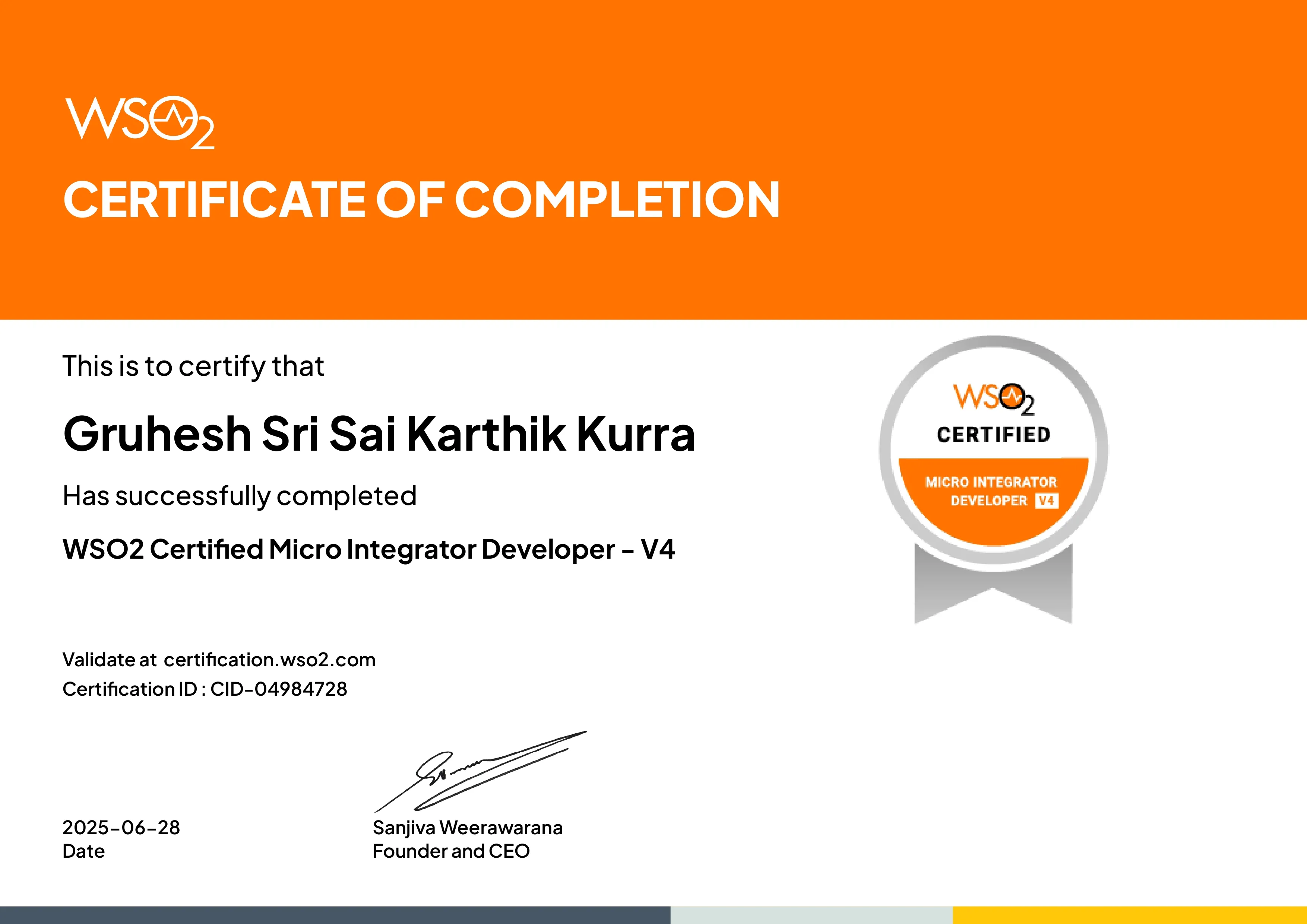
    Built REST APIs in WSO2 Micro Integrator linking the service-desk, billing and inventory systems of a Philippine telecoms company, and supported them in production.

Education

  1. 2026 – 2027

    MSc Computing (Artificial Intelligence and Machine Learning)

    Imperial College London

  2. 2021 – 2025

    B.Tech Computer Science and Engineering

    KL University, Hyderabad · CGPA 9.72 / 10

  3. 2024

    Machine learning programme (six months)

    iHub-Data, IIIT Hyderabad

Awards & service

  • First place, Global Challenge Lab, Imperial College London, 2026
  • First place, University Webathon, KL University, 2022
  • Technical Lead, Student Activity Council, KL University, 2023 – 2025: mentored 20+ students and ran workshops for 100+
  • Hackathon mentor, Anurag University, Hyderabad

Certificates

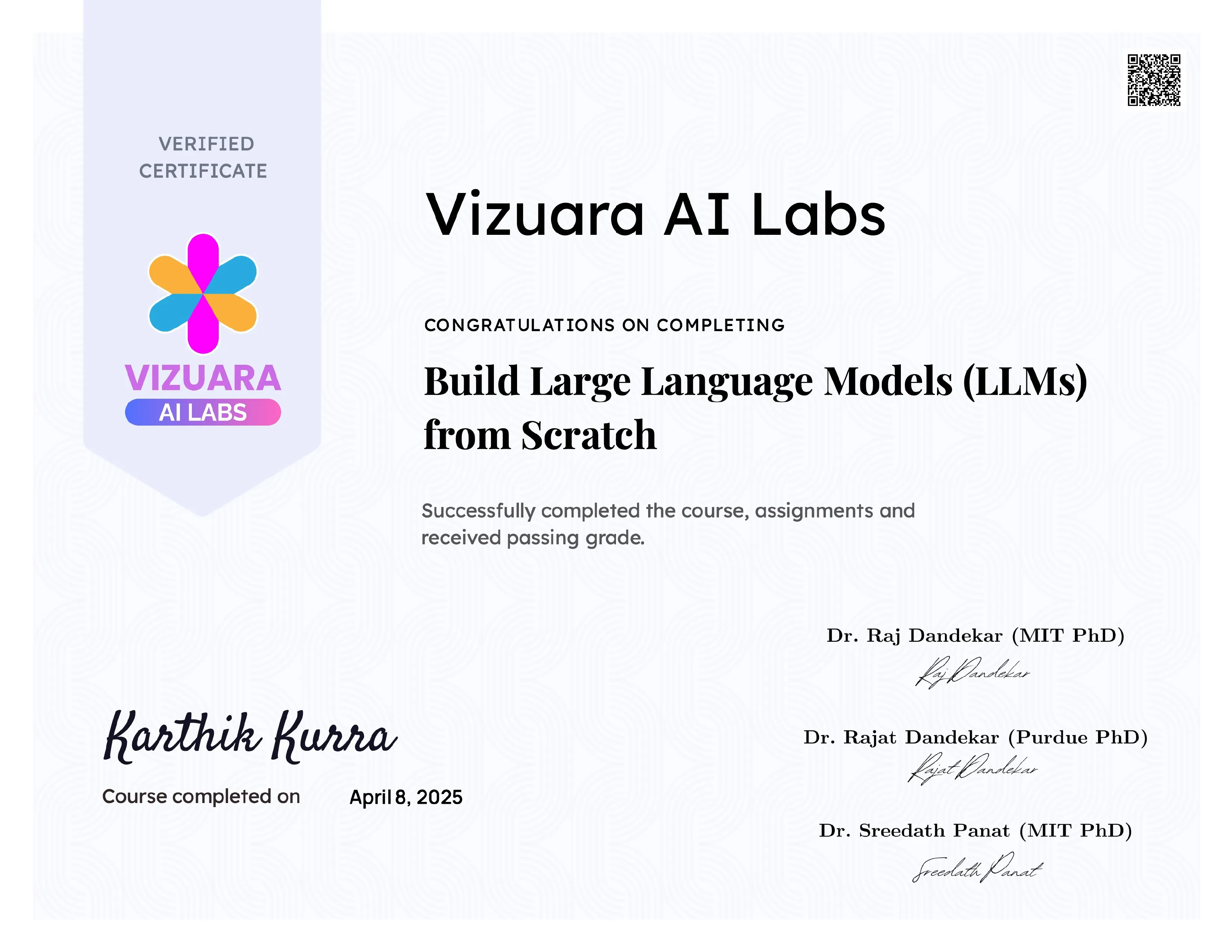
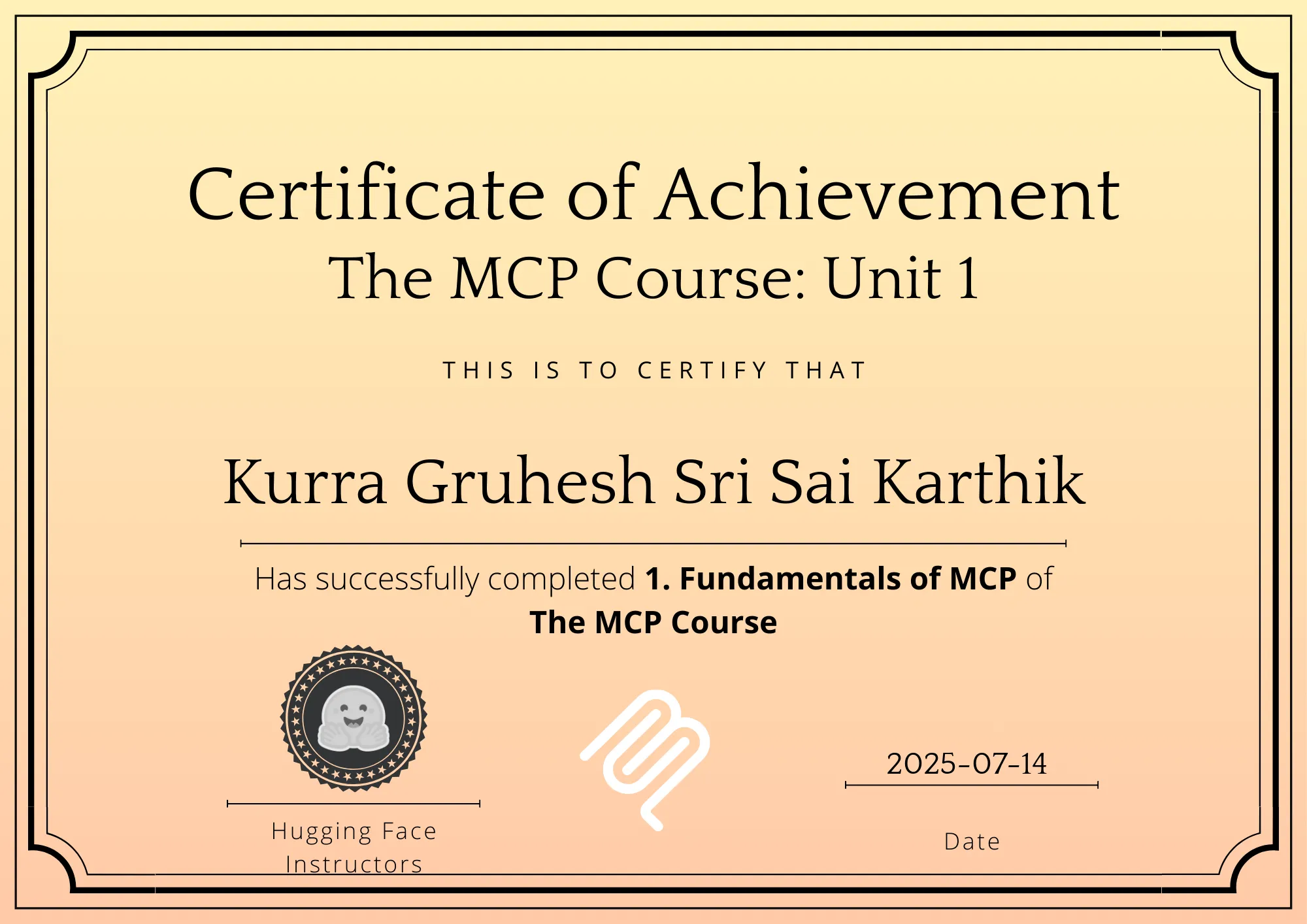
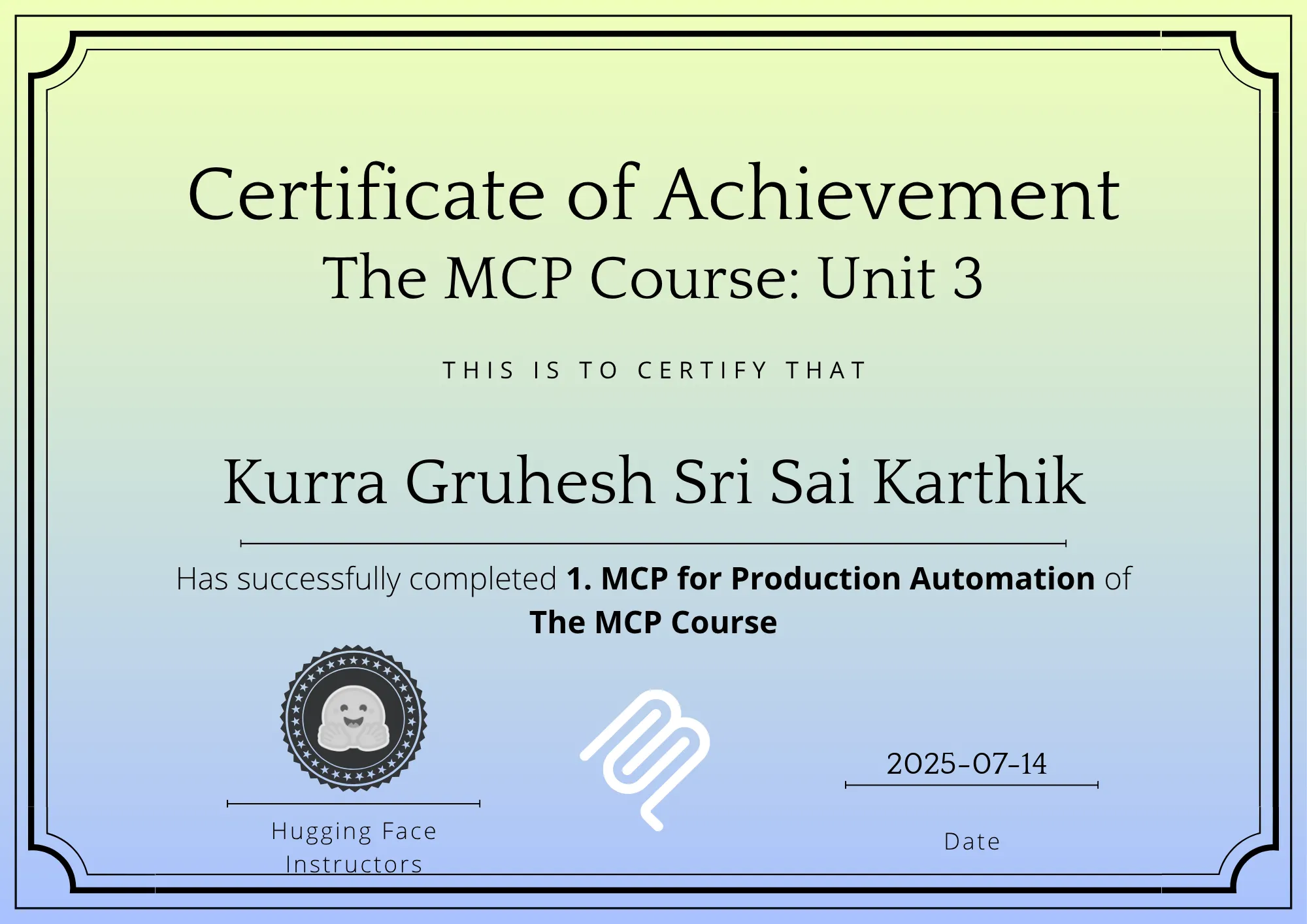
20 certificates

Skills

Programming Languages
PythonJavaScriptTypeScriptSwiftJavaCC++RSQLPHPHTMLCSSShell
AI / ML Frameworks
PyTorchTensorFlowHugging FaceLangChainLlamaIndexscikit-learnPyTorch GeometricGradioStreamlitUMAP
AI / ML Specialisations
LLM OptimisationSLM Fine-tuningRAGPrompt EngineeringTransformersAttention MechanismsGANsVAEsDiffusion ModelsGNNsOn-Device AIDeepfake DetectionQuantisationPruningDistillation
Computer Vision
EfficientNetVision TransformerMediaPipeOpenCVTesseractCLIPDocument AnalysisOCR
iOS / Mobile
SwiftSwiftUICore MLiOS DevelopmentVision FrameworkAVFoundationCore DataMetal MPSOn-Device Inference
Web & Backend
React.jsNext.jsFastAPINode.jsExpress.jsTailwindCSSViteReact NativeWebSocketREST APIs
Cloud & DevOps
AWSAzure OpenAIAzure ADGoogle CloudDockerVercelWSO2CI/CDGitGitLabServerless
Databases & Data Science
PostgreSQLMySQLMongoDBRedisFirebaseSupabasePandasNumPyMatplotlibFAISSSynthetic Data

Writing

I write AI from Scratch, a blog series that derives machine learning models from the maths to the training loop. Smaller experiments and code are on GitHub.